
How do we balance quality of life and quality of the environment?
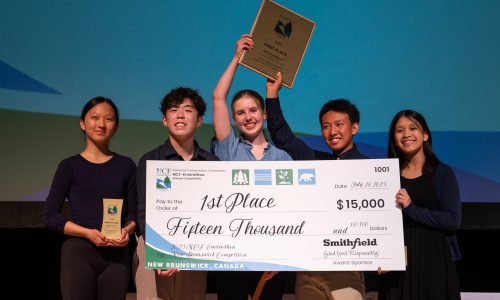
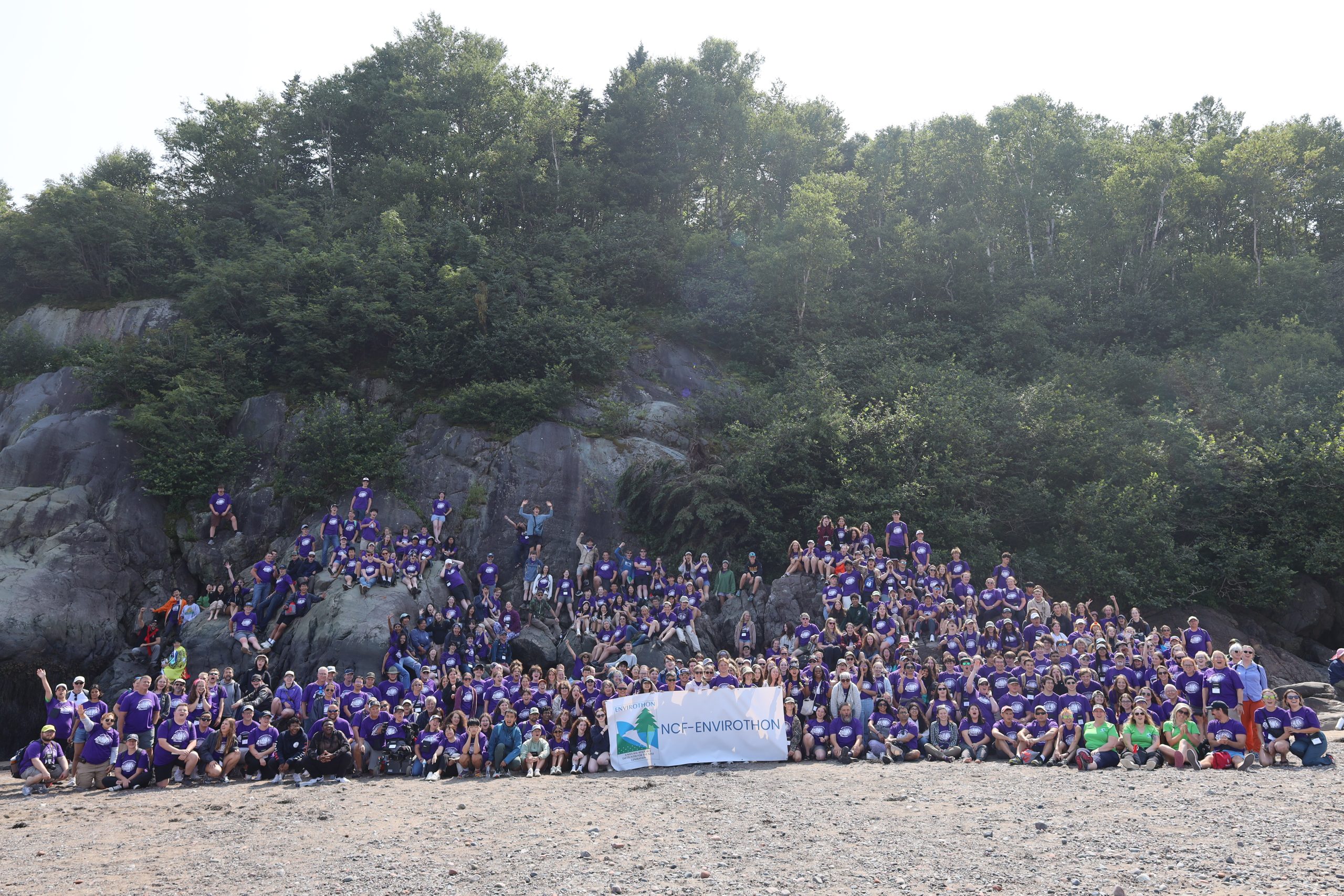
Each year over 25,000 high school students across the United States, Canada, China, and Singapore embark on a journey to offer solutions to this critical question through the NCF-Envirothon!
A Program of the National Conservation Foundation (NCF).
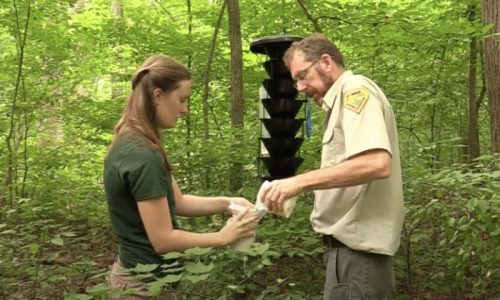
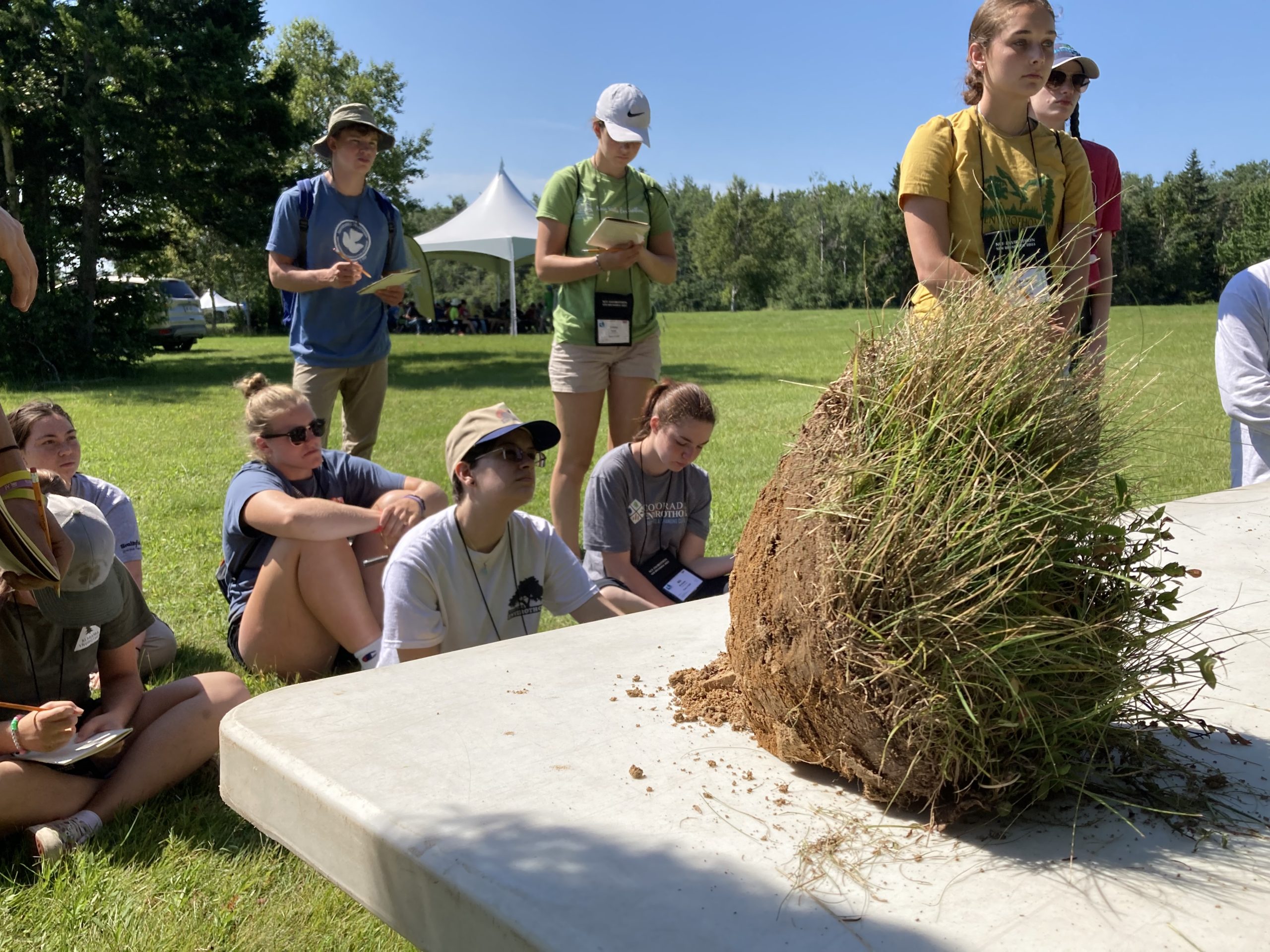
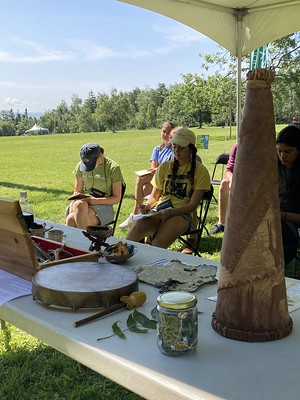
The Envirothon® is an environmental and natural resources conservation problem-solving, leadership experience and academic competition for secondary school (high school) students (grades 9-12 or ages 14-19) across the United States, Canada, China, and Singapore. Incorporating STEM (Science, Technology, Engineering, and Math) principles, hands-on learning, and outdoor field experiences, the Envirothon fosters student learning in the areas of AQUATIC ECOLOGY, FORESTRY, SOILS and LAND USE, WILDLIFE, and CURRENT ENVIRONMENTAL ISSUES.
Students are challenged to develop critical thinking skills to create inventive solutions to the complex local and global environmental and natural resource issues facing our world today. With Envirothon, students are equipped with the knowledge and skills to educate others, inspire action in their local communities, and promote a lifelong commitment to environmental stewardship and sustainability.
The Envirothon is managed and directed by the National Conservation Foundation (NCF) and its NCF-Envirothon Operating Committee. Read more here!
Mission:
To educate students about the environment and conservation of natural resources through hands-on outdoor experiences, academic study, and collaborative competitions.
Vision:
To equip students with the knowledge and skills to educate others, inspire action in their local communities, and promote a lifelong commitment to environmental stewardship and sustainability.
NCF-Envirothon
A program of the National Conservation Foundation (NCF).
How do we balance quality of life and quality of the environment?
Each year over 25,000 high school students across the United States, Canada, China, and Singapore embark on a journey to offer solutions to this critical question through the NCF-Envirothon!
The Envirothon® is an environmental and natural resource conservation problem-solving, teambuilding, and leadership experience for high school students (grades 9-12 or ages 14-19) across the United States, Canada, and China. Incorporating STEM principles, hands-on learning, and outdoor field experiences, the Envirothon program fosters student learning in the areas of AQUATIC ECOLOGY, FORESTRY, SOILS and LAND USE, WILDLIFE, and CURRENT ENVIRONMENTAL ISSUES.
Students are challenged to develop critical thinking skills to create inventive solutions to the complex local and global environmental and natural resource issues facing our world today. With Envirothon, students are equipped with the knowledge and skills to educate others, inspire action in their local communities, and promote a lifelong commitment to environmental stewardship and sustainability.
The Envirothon is managed and directed by the National Conservation Foundation and its NCF-Envirothon Operating Committee. Read more here!
Mission: The mission of the NCF-Envirothon is to educates students about the environment and conservation of natural resources through hands-on outdoor experiences, academic study and collaborative competitions.
Vision: The vision of the NCF-Envirothon is to equip students with the knowledge and skills to educate others, inspire action in their local communities, and promote a lifelong commitment to environmental stewardship and sustainability.
Hot Links
2024 NCF-Envirothon New York
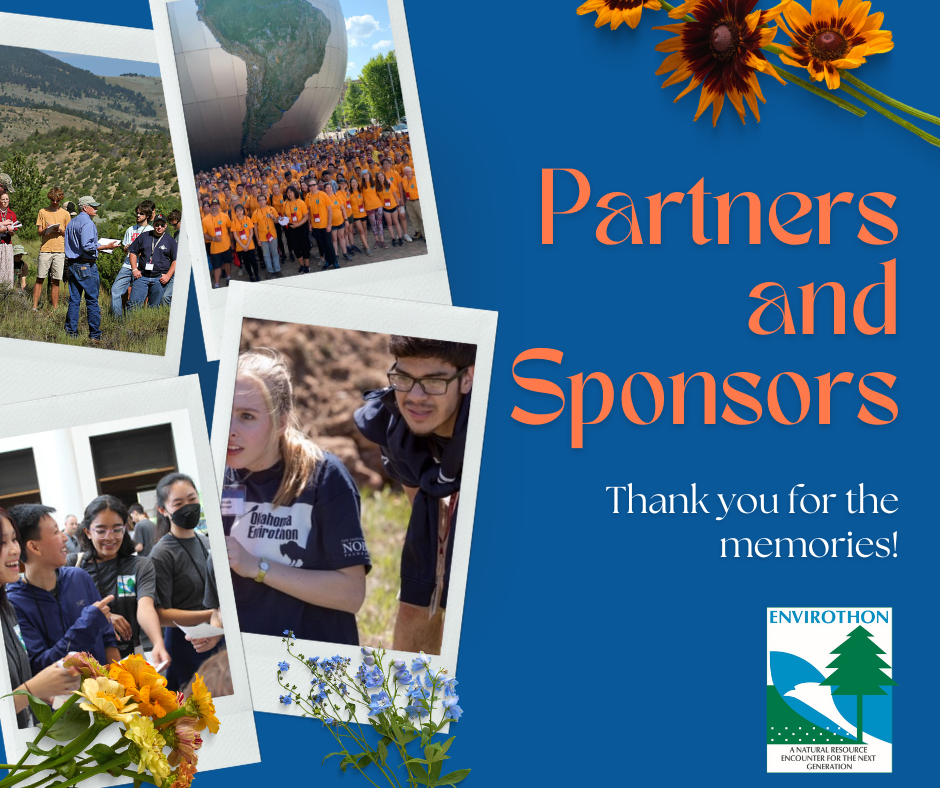
Partners and Sponsors
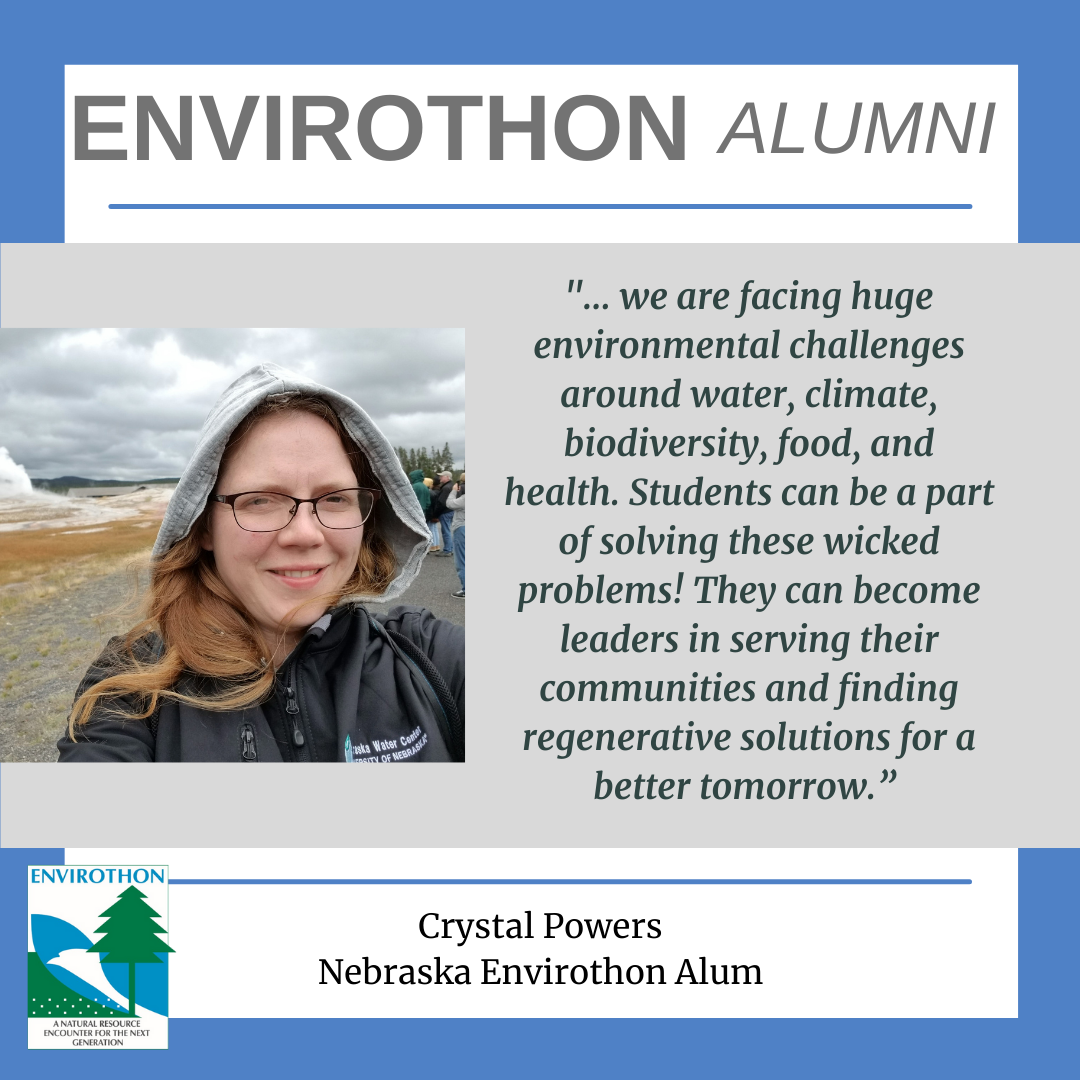
Alumni Spotlight
Hot Links
2024 NCF-Envirothon New York
Partners and Sponsors